Research Infrastructures (RIs) play an essential role in Europe’s research and innovation ecosystem, supporting research and technological development across a wide range of fields. Their funding, however, involves a complex mix of European, national, regional and institutional sources, which can vary depending on the stage and needs of an RI.
Addressing this complexity is the focus of the FUND-RI project. Led by INESC and involving the EuroTech Universities Alliance, Euro-BioImaging, Helmholtz-FZJ, Lund University, Masaryk University and X-Officio, the project seeks to develop a clearer understanding of how RIs are funded, where challenges exist and how different funding sources could work together more effectively.
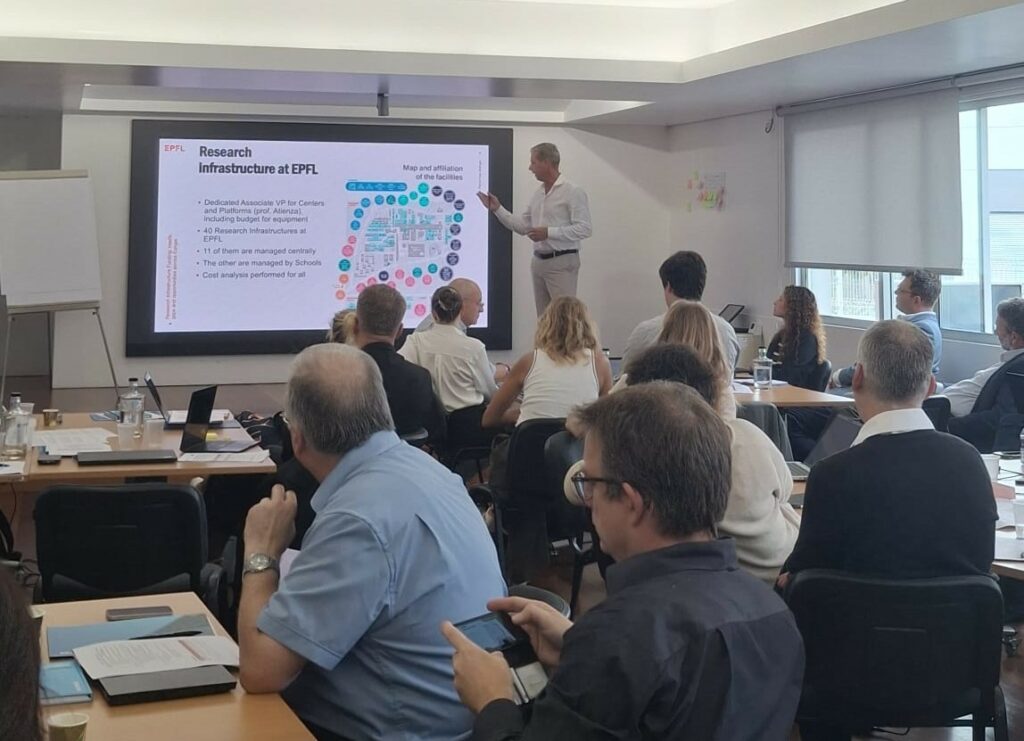
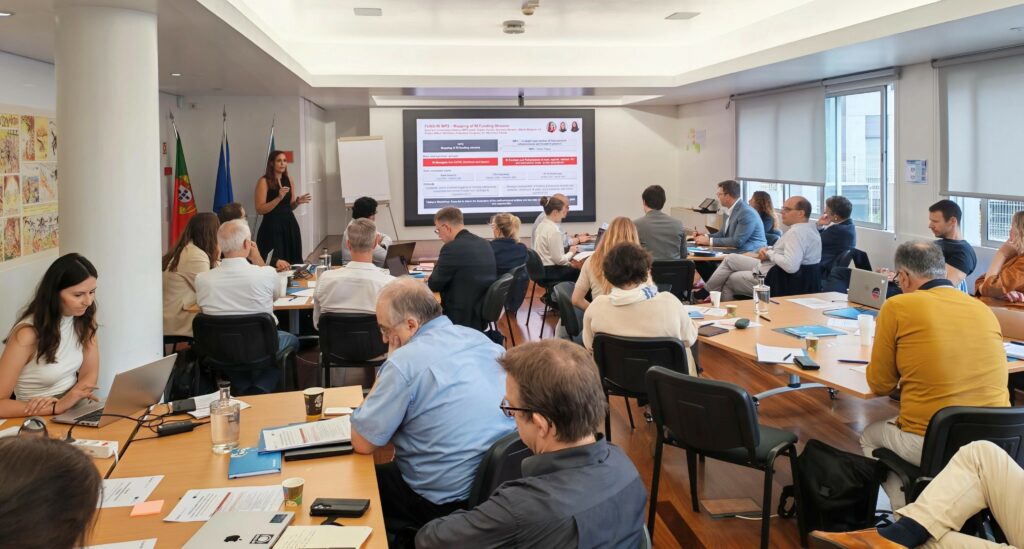
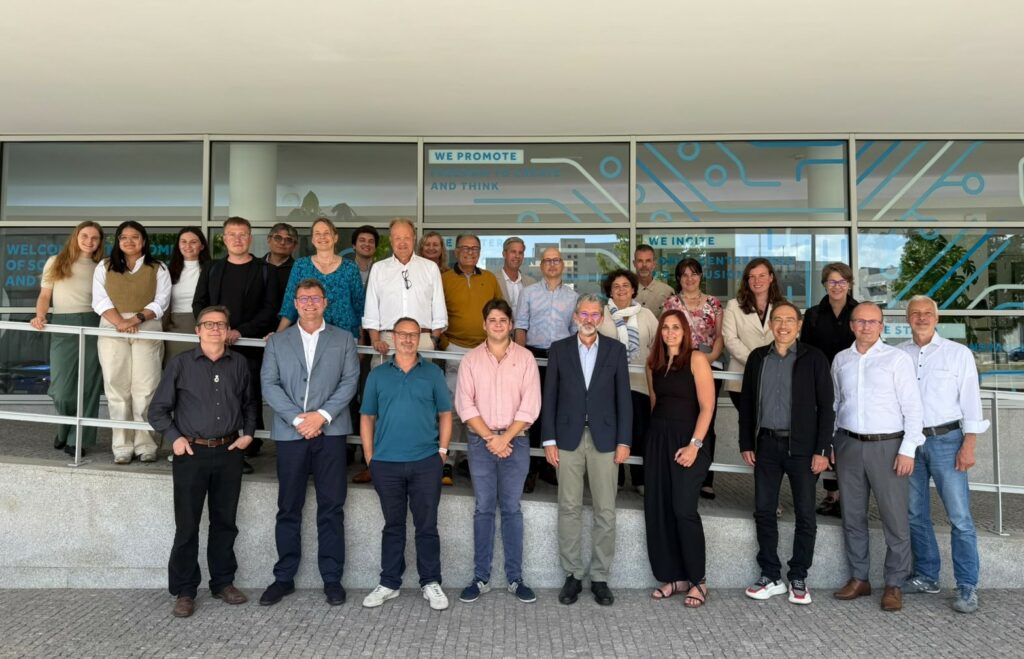
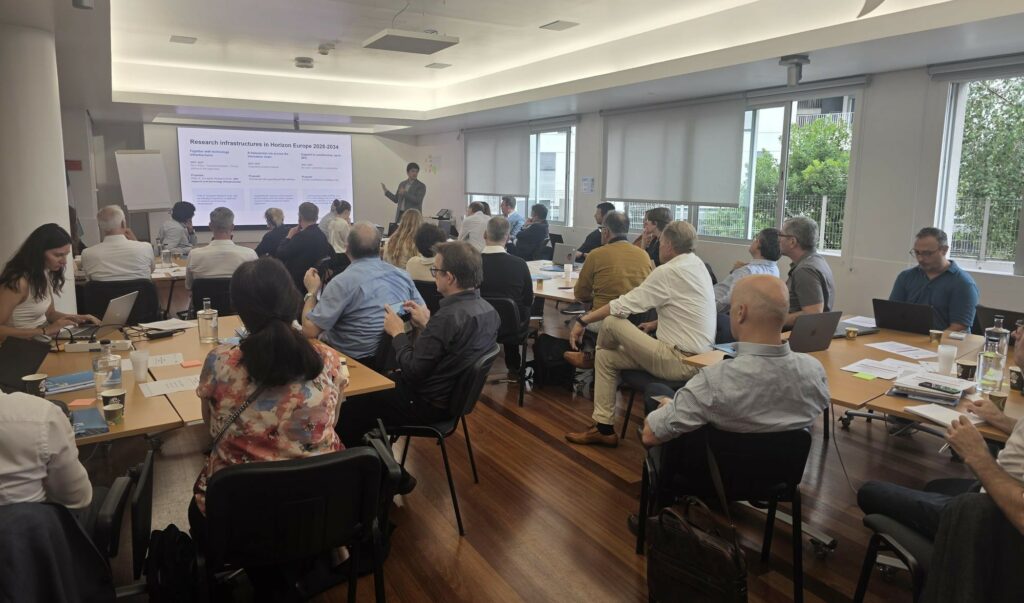
As part of this effort, FUND-RI held its first Experts’ Workshop in Porto on 24-25 August, bringing together more than 30 experts, from RI operators and funders. The workshop was held in the scope of the work package on Mapping RI Funding Streams, Challenges & Opportunities, led by the EuroTech Universities Alliance (represented by Sophie Viscido, Secretary General, Sibylle Margerin, EU Project Officer – R&I Policy, and Francesca Cicognani, EU Policy Trainee). The workshop also brought in expertise from EPFL, a EuroTech member university, with Pierre-Yves Bolinger, Head of Unit at EPFL’s ECO: Equipment & Centers Management Office, presenting the funding models and strategy used at EPFL to facilitate infrastructure funding from creation to access, along with the challenges faced and levers to address them.
This builds on ongoing discussions within the EuroTech’s Infrastructure Leads Group and Working Group on Research and Technology Infrastructures, exploring joint initiatives around infrastructure investment strategies, funding sources and access models. These themes will also be central to EuroTech’s upcoming Infrastructure Leads meeting, hosted by EPFL in Lausanne on 8 October.
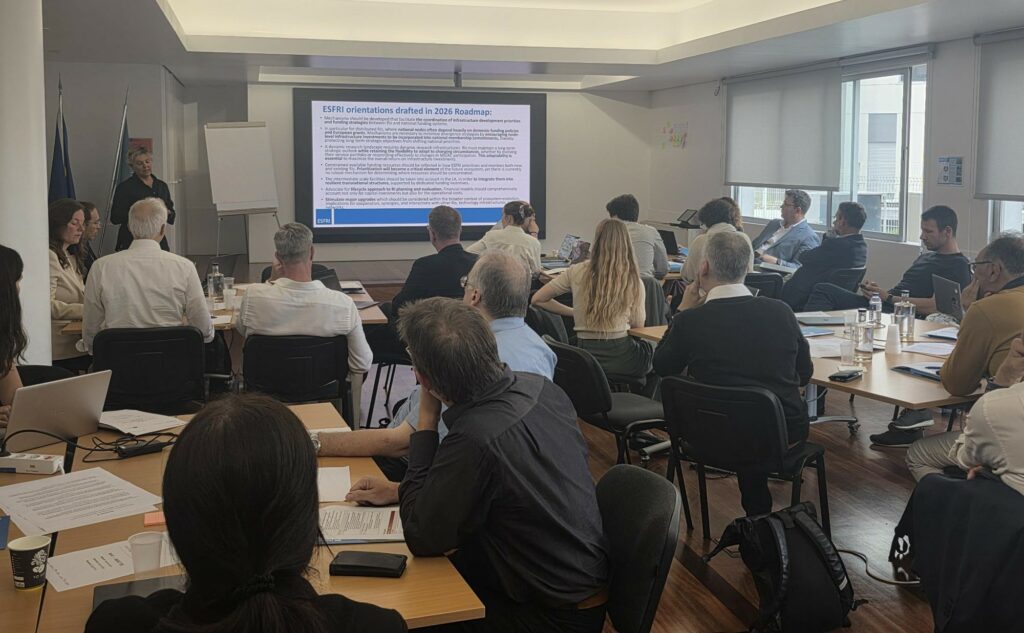
The workshop offered an opportunity to exchange perspectives on the funding needs of RIs throughout their lifecycle and to consider funding opportunities at European, national and regional levels. Discussions covered the diversity of current RI funding models and how the European funding landscape is organised – the main challenges and gaps in existing funding arrangements, and concrete opportunities to strengthen these models, so as to better meet the evolving needs of the RI community. EuroTech leads the project’s work on mapping and analysing RI funding streams, examining how funding is structured across different lifecycle stages and governance levels. This includes looking at funding needs, the conditions attached to different funding streams and opportunities for greater complementarities between them, with the aim of identifying pathways towards more synergistic and sustainable funding models for research infrastructures, especially for distributed infrastructures and mission-driven access.
Ultimately, this work supports a shift towards viewing RI funding not simply as a cost to be managed, but as a strategic investment in scientific excellence and long-term impact, helping ensure RIs remain sustainable, valuable assets for Europe’s research and innovation ecosystem well beyond individual funding cycles.
The outcomes of the workshop will help shape the next phase of FUND-RI. In the coming months, the consortium will continue working with RI managers, funders and other stakeholders to deepen its analysis and develop a stronger evidence base for understanding and supporting the sustainable funding of Research Infrastructures in Europe.
Impressions from the workshop